
Legal Remedies Against Educational Institutions in India
Learn how students and parents can take legal action against schools, colleges, and universities in India through consumer courts, regulatory authorities, and High Court writ petitions.
5/1/20262 min read
Introduction
Educational institutions play a key role in shaping students’ futures, but they must follow legal rules and maintain fairness. Schools, colleges, universities, and coaching centers in India are required to comply with regulations and treat students without discrimination.
When issues arise—such as illegal fee collection, withholding certificates, unfair expulsion, or administrative misconduct—students and parents have the legal right to take action. Choosing the correct legal forum is critical, as filing in the wrong place can cause delays.
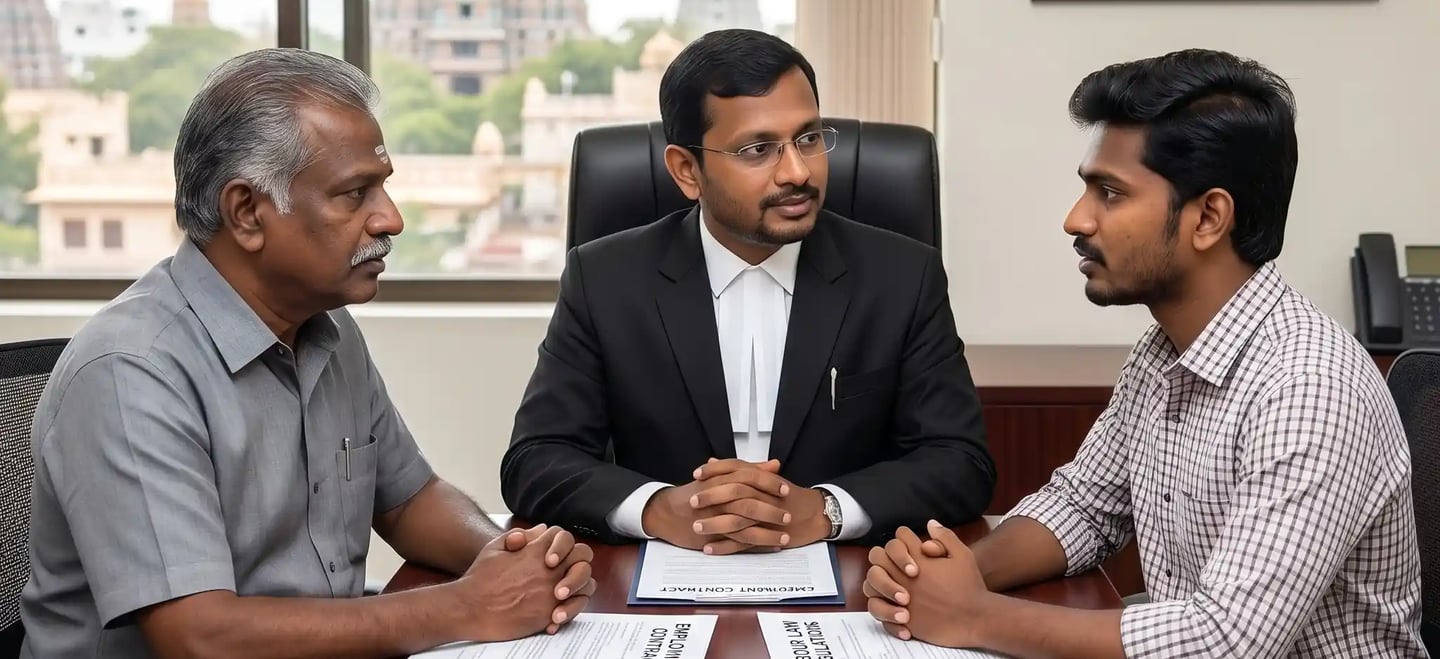
Advocate Siva, recognized as one of the best lawyers in Chennai, provides legal guidance in education-related disputes through Siva Law Associates. He assists students in taking proper legal action before regulatory authorities and courts, including the Madras High Court.
Identifying the Correct Legal Forum
Before taking legal action, it is important to identify the type of dispute:
Consumer-related issues (fees, hostel, transport) → Consumer Court
Regulatory violations (degree, certificates) → UGC / AICTE
School-level complaints → District Education Officer
Serious legal violations → High Court (Writ Petition)
Choosing the correct forum ensures faster and effective resolution.
Regulatory Complaint Mechanisms
Students can file complaints through official bodies:
UGC e-Samadhan Portal – for fee issues, certificate delays, unfair evaluation
AICTE & State Authorities – for institutional violations
These platforms allow dispute resolution without immediately going to court.
Consumer Court Remedies
If institutions fail to provide promised services, students can approach Consumer Courts.
Common cases include:
Non-refund of fees
Misleading placement promises
Poor hostel or transport services
False advertisements by coaching centers
Consumer courts provide compensation and refunds efficiently.
Writ Petitions Before High Court
For serious violations, students can file a writ petition under Article 226.
Cases include:
Unfair expulsion or suspension
Denial of admission
Discrimination
Withholding certificates
The High Court can take action against institutions that violate legal rights.
Practical Steps Before Filing a Case
Follow a proper approach:
Submit a written complaint to the institution
Send a legal notice through an advocate
File a case before the appropriate authority
Maintaining documents like receipts, emails, and letters is essential.
An experienced civil lawyer in Chennai like Advocate Siva can guide you through each step effectively.
Conclusion
Taking legal action against educational institutions is not as complicated as it seems when the correct process is followed. Indian law provides multiple remedies to ensure fairness and accountability.
Advocate Siva, known as one of the best lawyers in Chennai, assists students and parents in resolving disputes related to fees, certificates, admissions, and institutional misconduct. With proper legal support, individuals can protect their rights and ensure fair treatment in the education system.
Phone
© 2026. All rights reserved.